For weeks, my neighbors and I have lived under a federal occupation. In Saint Paul (where I serve as a member of the City Council), across the Twin Cities, and throughout Minnesota, masked agents from ICE and Border Patrol have torn families apart and turned preschoolers into bait. Government-sanctioned violence against people of color and requirements to show proof of citizenship status have become a part of daily life here.
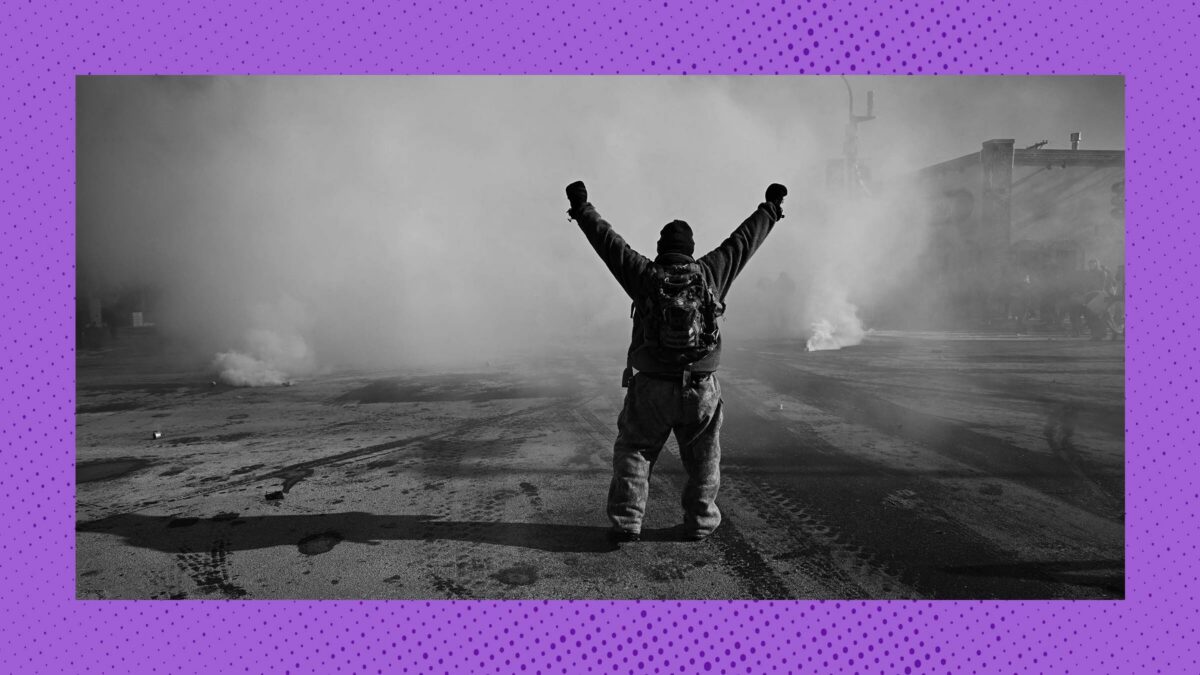
Agents use tear gas and “less lethal” weapons against peaceful observers so often that much of it no longer makes the news. Sometimes, this violence escalates into murder, when agents of the federal government shoot constitutional observers in the head or the back.
What those of us in Minnesota have borne witness to is a horrifying descent into authoritarianism led by President Donald Trump. But bad people cannot cause this level of devastation without systems that enable them to do it. In this case, the systemic problems are twofold. First, the federal judiciary has given the Trump administration a green light to perpetrate a wide array of abuses against the American people. Second, the judiciary has weakened many of the possible checks on the executive, including the power of the people to rein in an out-of-control president.
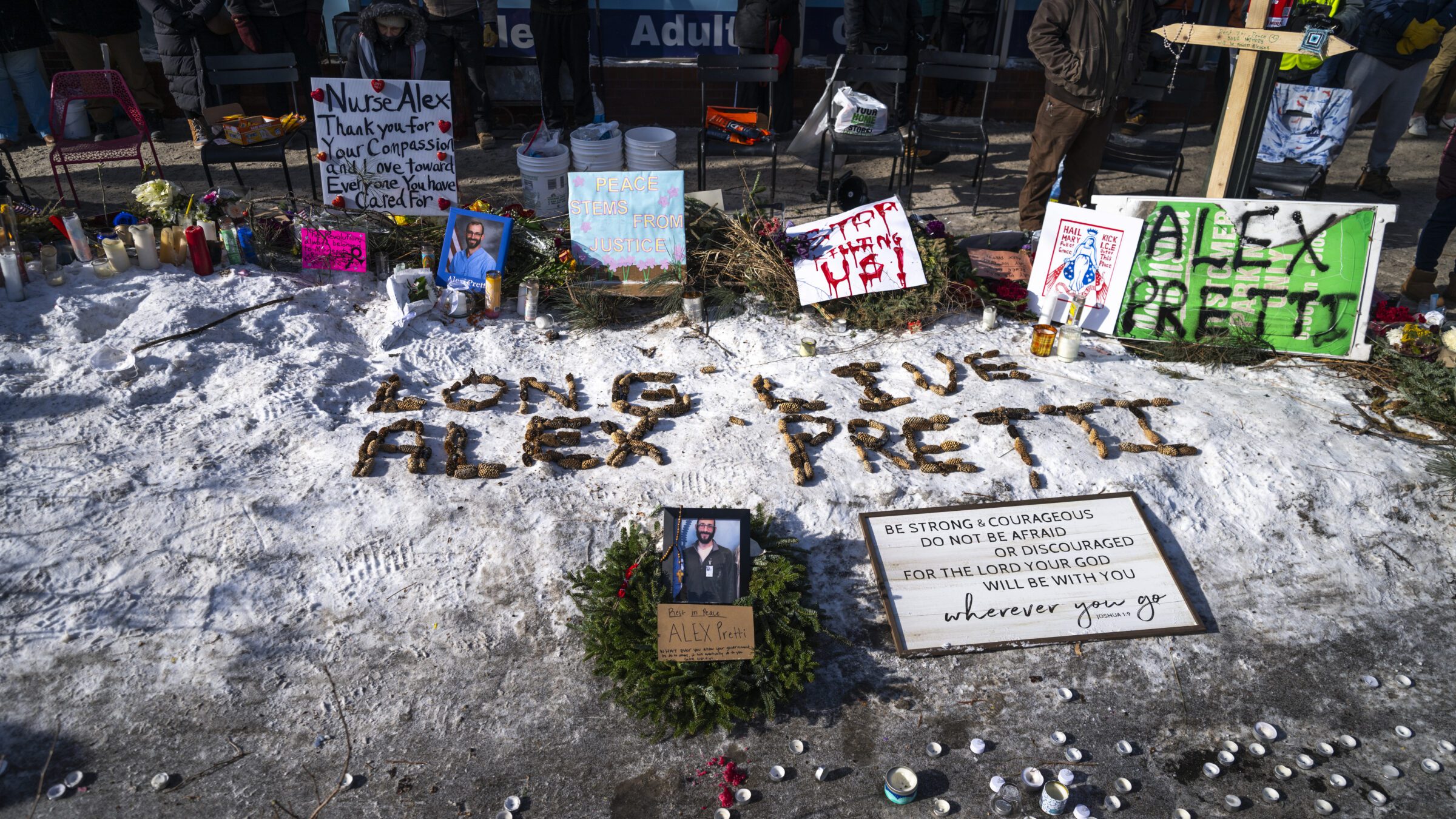
(Photo by Stephen Maturen/Getty Images)
In September, the Supreme Court issued a brief order in Noem v. Vasquez Perdomo that allows the government to stop and arrest people whom it believes are undocumented immigrants, based on nothing more than physical appearance or the language they speak. In the words of Justice Sonia Sotomayor in dissent, the Court’s decision gave the government permission to “seize anyone who looks Latino, speaks Spanish, and appears to work a low wage job.”
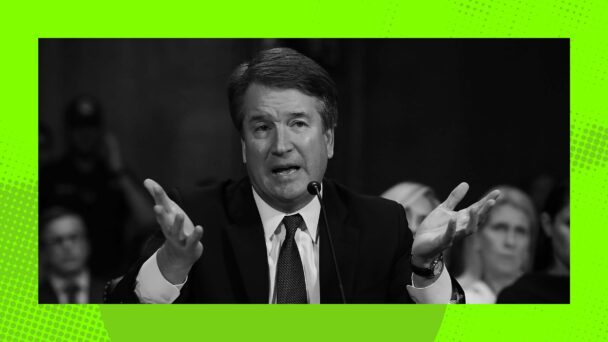
In a concurring opinion, Justice Brett Kavanaugh dismissed any concerns that legalized racial profiling would do harm to citizens and legal residents. “As for stops of those individuals who are legally in the country, the questioning in those circumstances is typically brief, and those individuals may promptly go free after making clear to the immigration officers that they are U.S. citizens or otherwise legally in the United States,” he wrote.
What does this look like in practice in occupied Minnesota? Like Nasra Ahmed, a 23-year-old Minnesota-born Saint Paulite who was held by ICE for two days and suffered a stress-induced seizure in custody after being detained for looking like she might not be a citizen. The callousness of Kavanaugh’s concurrence is what led the law professor Anil Kalhan to dub experiences like Ahmed’s “Kavanaugh stops.”
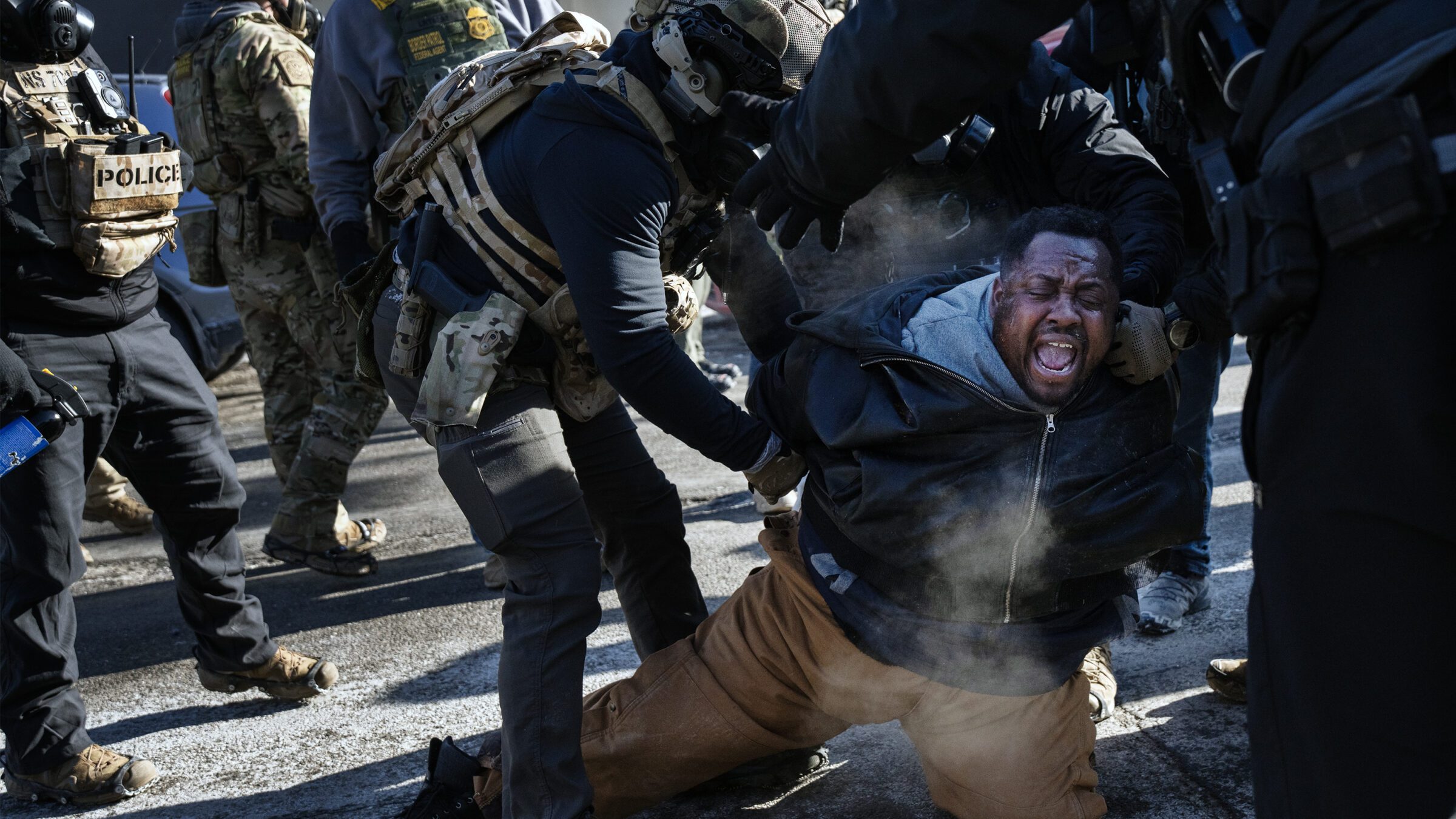
(Photo by Richard Tsong-Taatarii/The Minnesota Star Tribune)
Some might say that being kidnapped by your government and placed under so much stress that you have a seizure simply because you have brown skin and wear a hijab is antithetical to the Constitution of the United States. But it is a direct result of the decision of a majority of the Supreme Court. During Trump’s first term in 2018, the Court allowed a version of Trump’s long-promised Muslim ban to go into effect in Trump v. Hawaii. At the time, Sotomayor wrote that the decision left “undisturbed a policy first advertised openly and unequivocally as a ‘total and complete shutdown of Muslims entering the United States’ because the policy now masquerades behind a façade of national-security concerns.”
In the current deployment of masked secret police to Minnesota, the echoes of that observation reverberate loudly. Trump has made no effort to hide his appallingly racist views of Minnesota’s Somali community, but the official word from the administration is that the operation is about public safety and preventing harm to Twin Cities residents. Trump, Stephen Miller, and Homeland Security Secretary Kristi Noem, and Border Patrol Commander-at-Large Greg Bovino understood the message the Court sent nearly eight years ago: No policy can be so racist—no facts on the ground can be too damning—that the Court won’t buy a little spin.
It’s not just that the Court is okay with harm being done to any community the people in power deem sufficiently “other.” It’s that the justices are explicitly interested in letting far-right strongmen consolidate unchecked power in the executive branch. In 2005, when the Senate was considering President George W. Bush’s nomination of John Roberts to serve as Chief Justice of the United States, the journalist Bruce Shapiro wrote in The Nation that Bush had nominated Roberts specifically because of his opinions as an appeals court judge which suggested his belief that the president could engage in the “war on terror,” including through the use of torture, without being subjected to judicial review.
Almost two decades later, Roberts and his colleagues took that belief in Republican presidential power further than almost anyone could have imagined, declaring in Trump v. United States that presidents are effectively above the law and cannot be prosecuted for “official acts.” Vice President JD Vance has taken that principle further still, arguing that ICE agents have “absolute immunity” from prosecution for anything done in the course of their duties. Vance is wrong on the law as it currently stands. But it’s no longer difficult to imagine a future in which the Supreme Court agrees with him.
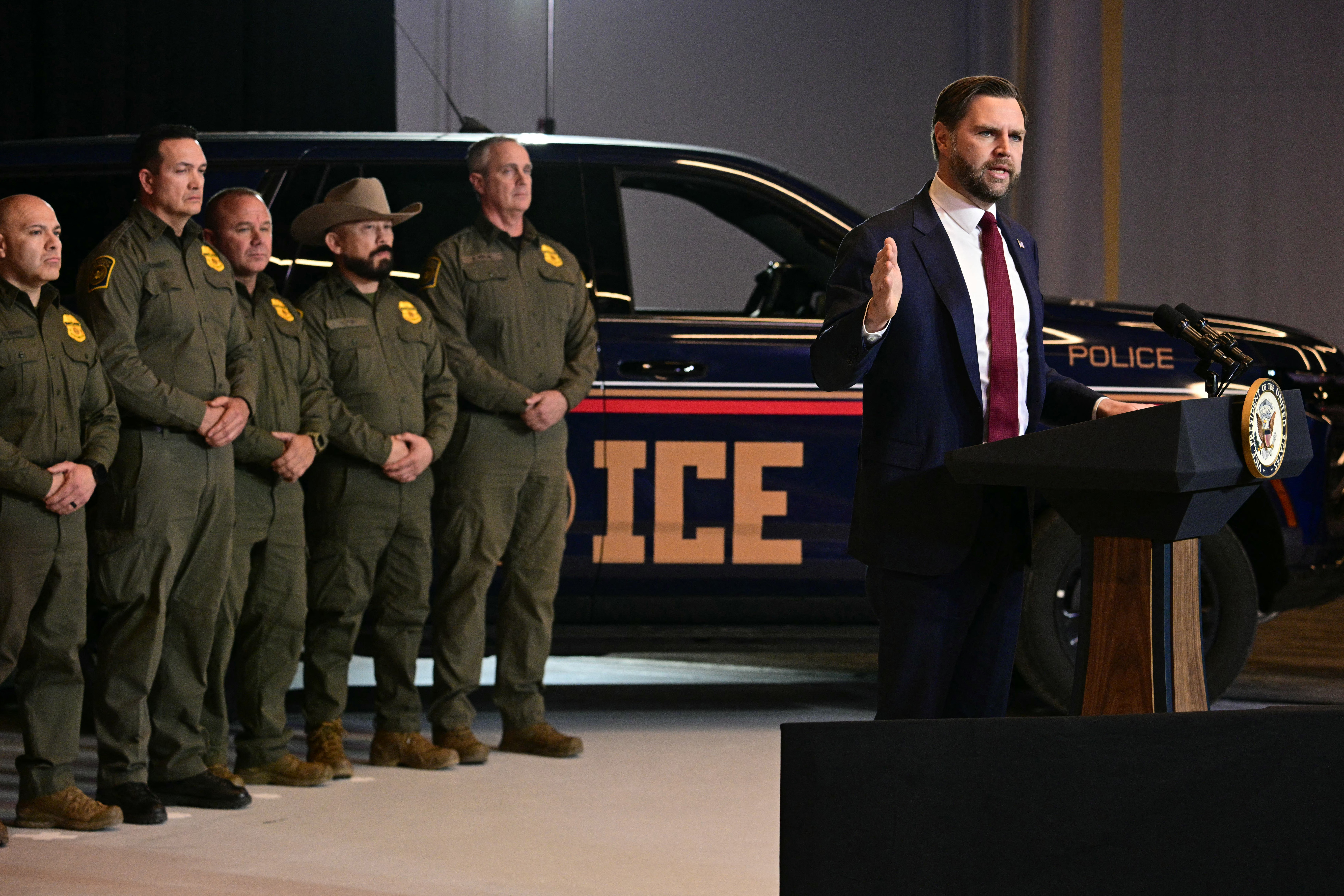
(Photo by Richard Tsong-Taatarii/The Minnesota Star Tribune)
Even if federal courts aren’t interested in checking Trump’s abuses in Minnesota and elsewhere, there is, in theory, a third co-equal branch capable of forcing an end to ICE’s attacks. But members of Congress seem rather uninterested in using their impeachment powers or their power of the purse to ensure meaningful accountability. And even if they did, the Court has spent years undermining the power of Congress in our constitutional system. Decisions like Citizens United v. Federal Election Commission (invalidating campaign finance laws and allowing unlimited corporate spending in elections), Shelby County v. Holder (effectively eliminating a key portion of the Voting Rights Act), and numerous decisions permitting political and racial gerrymandering have weakened the power of voters to elect representatives of their choice. By making it more difficult for the public to elect a Congress that reflects its values, the Court has weakened Congress’s ability to confront an authoritarian president consolidating power.
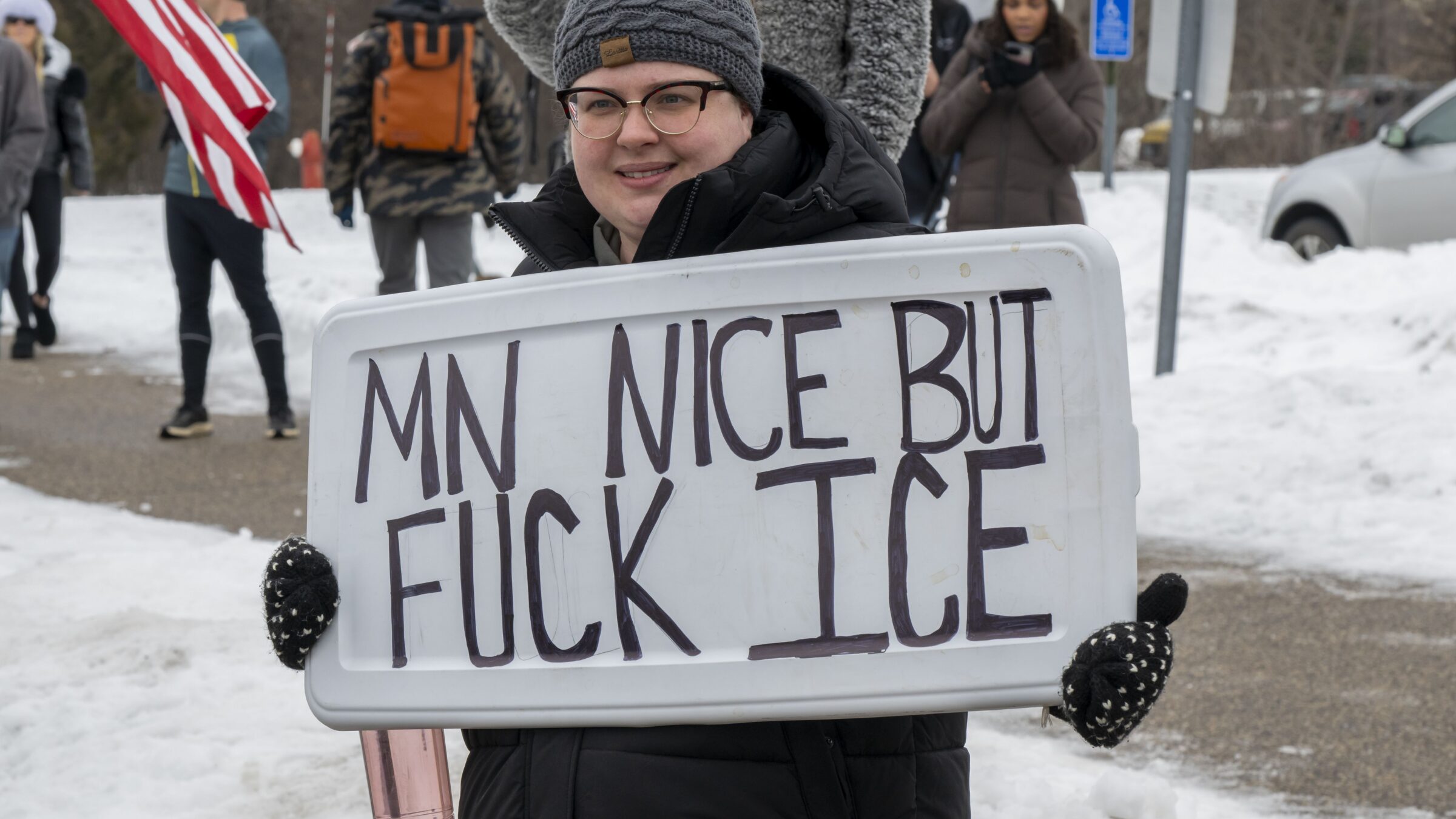
To date, the only effective check on Trump has been the power of the people. For anybody who thinks that thugs executing people in the streets is not what we want our country to be, look at what everyday people in Minnesota are doing in response. We are caring for tens of thousands of neighbors in hiding through mutual aid networks. We are physically protecting at-risk people from attack by the federal government.
(Photo by: Michael Siluk/UCG/Universal Images Group via Getty Images)
And, against all odds, we’re winning. On Monday, The Atlantic reported that the administration is pulling Bovino out of Minnesota and removing him from his position. Other reports suggest that Trump and his allies, spooked by a nationwide backlash to their brutality, might be considering a shift away from some of their most violent and repressive tactics. Nobody thinks the occupation is over, but these are not small changes. They weren’t won through the courts or in the halls of Congress. They were won because, even with all their guns and all their might, the people of Minnesota are stronger than the federal government that seeks to break us.
This display of democracy in action is all the more remarkable because the Supreme Court has built a system in which democracy can so rarely prevail. If we are going to honor the fight in Minnesota and truly reject Donald Trump’s authoritarianism, it’s not enough to just require that ICE agents wear body cameras when they’re shooting us. We must reform and reimagine the systems that got us here, including a Supreme Court that has enabled the worst of the administration’s assaults.
My neighbors have shown that the people of this country care about democracy enough to fight for it. We deserve a legal system that shares these values, instead of one that rejects them.