Since President Donald Trump took office in January 2025, he has acted as though he has the powers of a king. He has fired independent agency heads and tens of thousands of federal employees, dismantled vital federal agencies and programs, kidnapped people and deported them for extrajudicial imprisonment, brought criminal charges against his perceived enemies, and deployed troops in American cities to aid his efforts to carry out mass deportations.
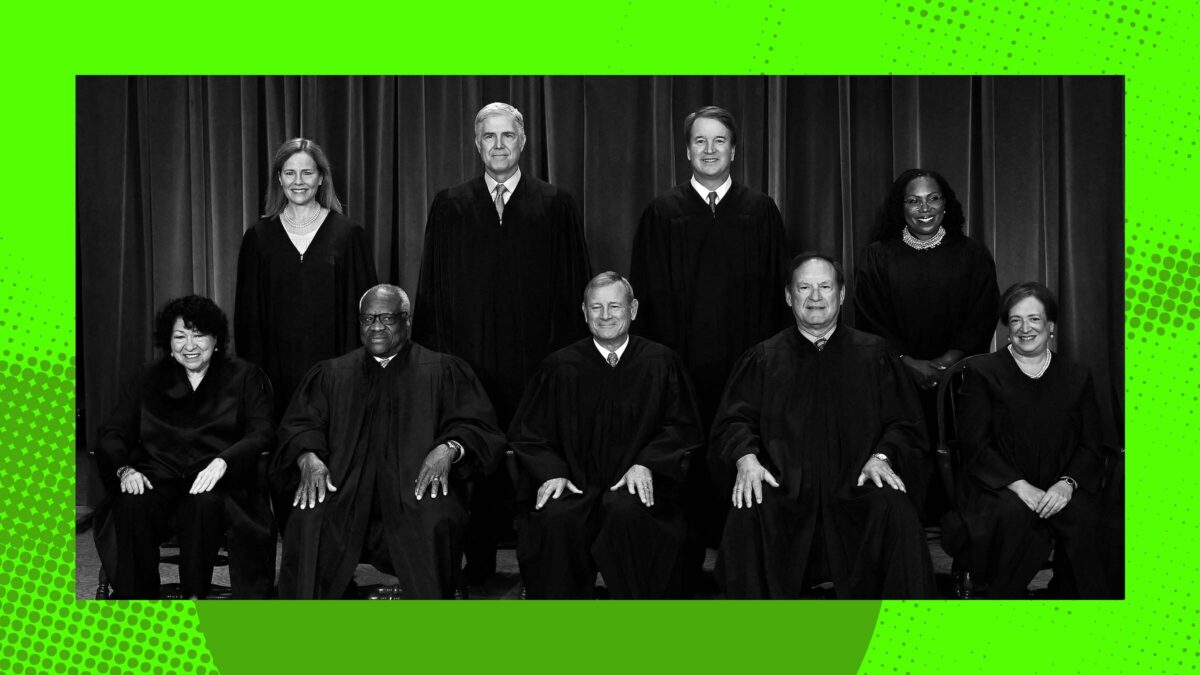
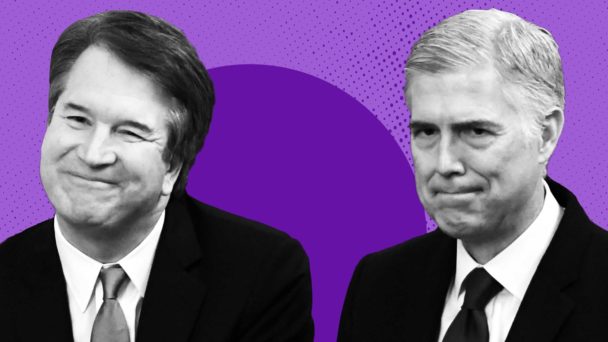
Trump could not have done all this without help from the Supreme Court. The right-wing justices helped Trump win re-election, most dramatically with their 2024 decision Trump v. United States, which granted him broad immunity from prosecution for crimes committed in office. Since January, the same justices have been busy using the Court’s shadow docket to reverse lower court decisions and rubber-stamp the administration’s actions, often by a 5-4 or 6-3 margin.
In the new term that began in October, Chief Justice John Roberts is continuing his decades-long project of killing pro-democracy laws: By next June, the Court could destroy what’s left of the Voting Rights Act and eliminate vital campaign finance restrictions, which will help Trump and his party maintain power.
It can feel like ordinary people are powerless to do anything about this. But even though voters can’t vote Supreme Court justices out of office, we do not have to accept a system in which the Court allows our government to become an autocracy. What people can do in the face of a Court that seems determined to crown a king is demand that candidates and elected officials support meaningful Court reform, and commit to enacting it as soon as it is politically possible.
A recent report by our organization, the People’s Parity Project, examines 389 cases challenging recent Trump administration actions in order to illustrate the glaring need to reform the federal courts. The report, “No Kings: The Urgent Need for Court Reform,” shows there is no single reform that will solve all of the problems of the federal courts, but that several key reforms could significantly strengthen our democracy.
One vital reform is adding seats to the Supreme Court in order to rebalance it. The hundreds of recent legal challenges to the Trump administration demonstrate the impact expansion could make: Between February and May, federal trial court judges appointed by presidents of both parties blocked the administration’s actions in 77 percent of challenges. In stark contrast, the Supreme Court has been busy reversing those orders, ruling in favor of the Trump administration 79 percent of the time through September 1 of this year—often through shadow docket rulings with little or no explanation. These included orders allowing Trump to gut the Department of Education, cancel federal grants, fire independent agency heads, and ban transgender servicemembers from the military.
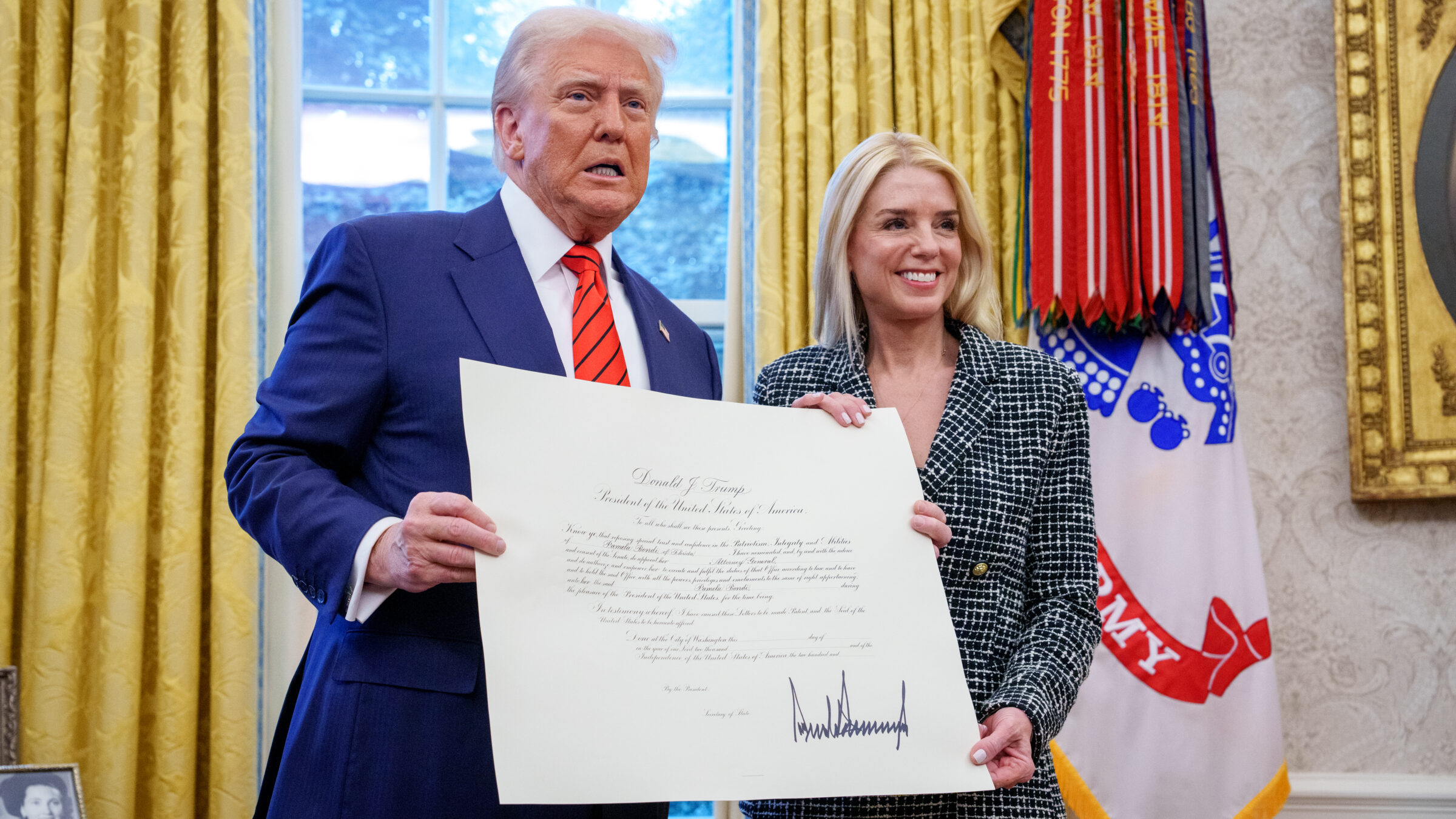
(Photo by Andrew Harnik/Getty Images)
Congress can change the number of seats on the Supreme Court through legislation, as it has done seven times before. If lawmakers had passed a bill like the Judiciary Act of 2023, which would have added four seats to the Court, before Trump took office, the outcomes in all those 5-4 and 6-3 shadow docket cases, along with many other cases over the past four years, could have been different.
Skeptics of Court expansion worry it would harm the public’s respect for the institution. But polling shows that the public views the Roberts Court as partisan and illegitimate already. Adding justices who would uphold the Constitution and the rule of law would make the Court more worthy of respect, not less so.
Another necessary type of reform is jurisdictional reform, which Congress could pass to eliminate or limit the courts’ ability to hear constitutional challenges to laws like the Voting Rights Act, thus protecting those laws from being struck down by the federal courts. Long before Trump took office, the Supreme Court had made a habit of invalidating progressive laws passed by Congress, including worker protections, gun safety laws, civil rights laws, and legal safeguards for previously enslaved people after the Civil War. Given that our Constitution is nearly impossible to amend, rulings like these mean the American people effectively lose their ability to advocate for or achieve change in these key areas.

Disempowering courts in certain circumstances might seem risky, given that to date, the lower federal courts have been one of the few institutions standing up to the Trump administration. But jurisdictional reforms wouldn’t stop courts from blocking executive actions; they would simply limit courts’ ability to strike down federal laws as unconstitutional. Unsurprisingly, the justices have shown themselves to be very receptive to Trump’s requests that the Court invalidate federal laws that are getting in his way. Preventing courts from invalidating democracy-strengthening laws, while preserving their ability to enforce the law when the president violates it, would allow people through their elected representatives—not the Supreme Court—to decide vital questions about the country’s direction.
Another reform that voters should insist their representatives support is the No Kings Act, a bill introduced in 2024 to reject the Court’s decision in Trump v. United States. The bill would make clear that “no person, including any President, is above the law,” and contains a jurisdictional reform to address the significant risk that the Supreme Court would strike it down if given the chance: It gives the D.C. Circuit, rather than the Supreme Court, jurisdiction over any constitutional challenges to it.
Obviously, Court reform will not happen when Trump and his minions control all three branches of government. But rather than accept the slide toward autocracy as inevitable, the American people must plan for a day when we will be able to repair and strengthen a democratic system of government. That plan must include protecting democracy from courts that are all too willing to cede it to a would-be king.