Over the past several years, whenever Democratic politicians have floated the possibility of expanding the U.S. Supreme Court, Republicans have reacted with a mix of indignation and fury, casting expansion as an unconscionable attack on judicial independence.
Last year, for example, Texas Senator Ted Cruz called Court expansion “a direct assault on the design of our Constitution,” and accused Democrats of seeking to “advance policy goals they can’t accomplish electorally.” Iowa Senator Chuck Grassley said that expansion “would erase the legitimacy of the Supreme Court and destroy historic precedent.” Mississippi Senator Cindy Hyde-Smith said that “packing the Court for political leverage destabilizes the integrity of the institution and is dangerous for our country.” All three are now co-sponsors of a constitutional amendment to prevent Congress from changing the size of the Supreme Court.
But in the deep-red states of Wyoming and Utah, Republican lawmakers are openly embracing this supposedly taboo tactic, trying to change the size of their state supreme courts in order to secure rulings they prefer. These efforts mirror an earlier, successful campaign in Arizona under former Republican Governor Doug Ducey, in which conservatives reshaped the state’s judiciary—and its jurisprudence—simply by changing the personnel on the court.
On the national stage, Republican lawmakers treat Court expansion as a fringe idea tantamount to cheating. In Republican-controlled states, that same maneuver is becoming routine, stripped of the Ted Cruz-style moral outrage that accompanies it in Washington.
Over the past several years in Utah, the state supreme court has issued a string of rulings that frustrated the Republican-controlled legislature—among other things, upholding lower court orders that blocked a near-total abortion ban from taking effect, and that required the legislature to redraw congressional districts based on a fair maps ballot initiative that voters passed in 2018. After the abortion ban decision, the leaders of the Utah Senate and Utah House of Representatives accused the court of “undermining the constitutional authority of the Legislature to enact laws as elected representatives of the people of Utah.”
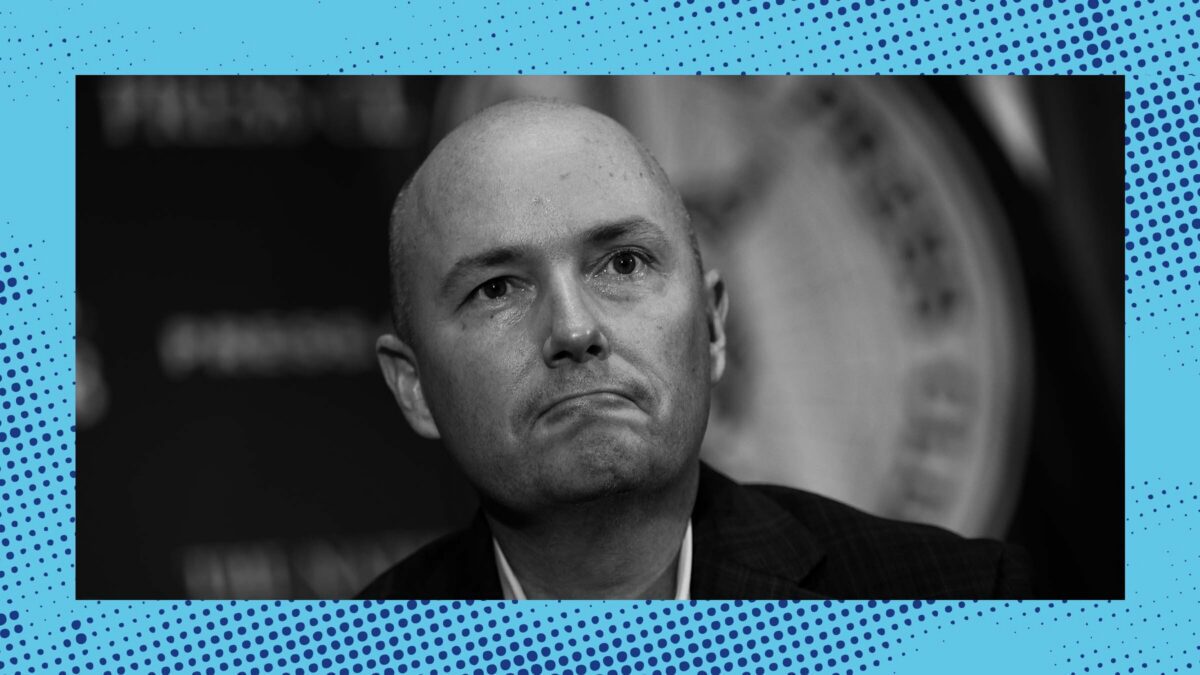
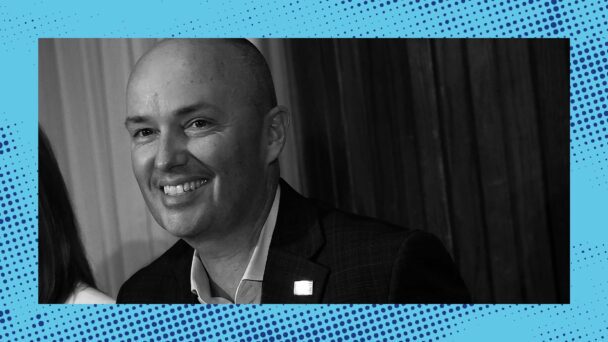
In response, Republicans introduced a bill, with the support of Republican Governor Spencer Cox, that would expand that court from five justices to seven. On Saturday, Cox signed the bill into law, which will allow him to appoint two new justices—potentially in time for the new, larger court to rule on the constitutionality of the fair maps initiative.
Late last year, Cox defended the prospect of expansion by arguing that it would “start moving justice quicker through the system.” But the Utah Supreme Court has actually decided more cases in the last several years than it did in years prior, and Chief Justice Matthew Durrant has made clear that the court has no need for assistance. “I ask that your disappointment with a few results not lead to penalties for an entire branch of government and, by extension, penalties for your constituents,” Durrant said in an address to lawmakers last month. At a Utah Judicial Council meeting on February 24, Justice Paige Peterson was a little more blunt: “It’s obviously retribution and I’m not sure why we’re not saying that,” she said.
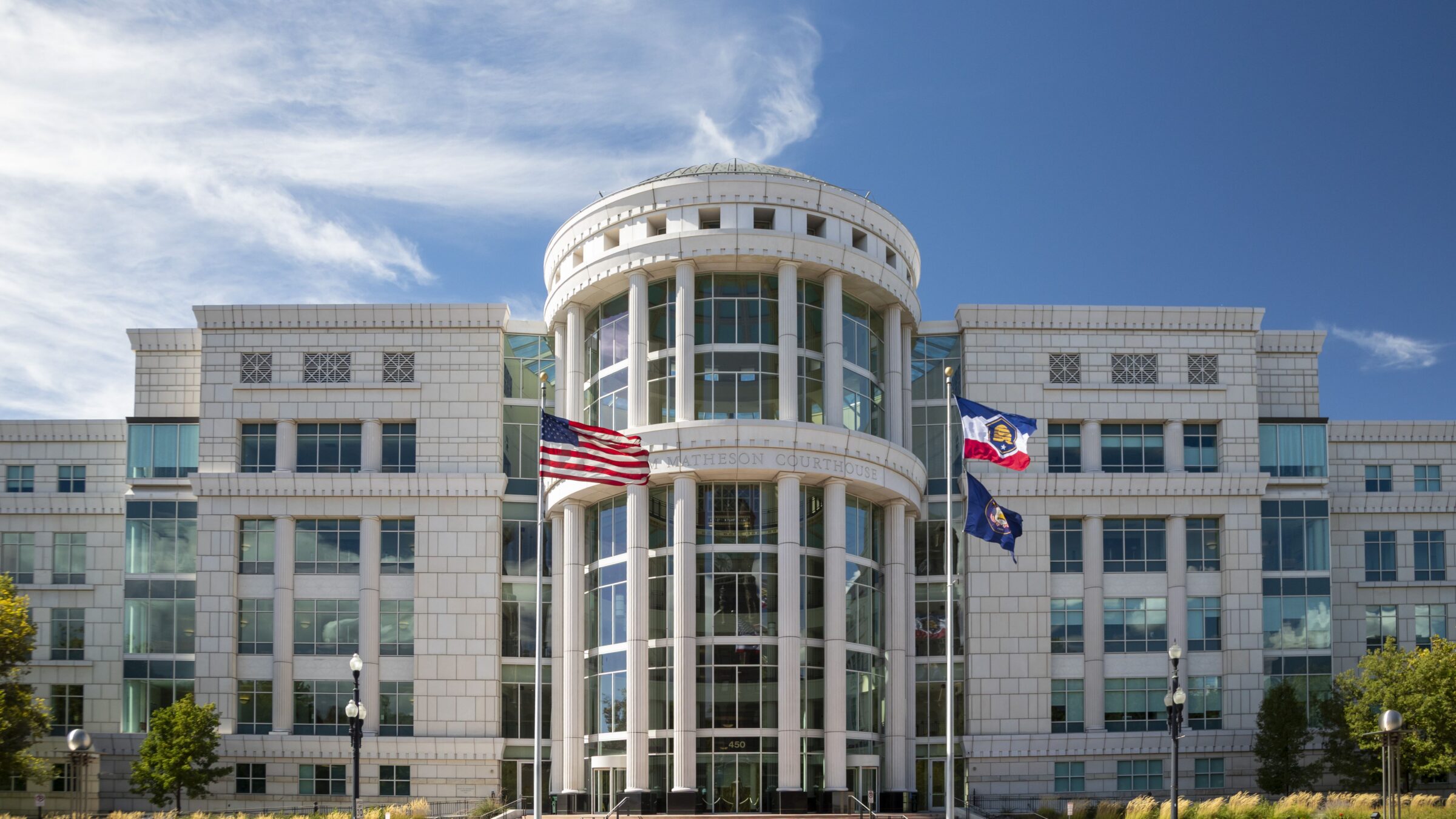
The Scott M. Matheson Courthouse houses the Utah Supreme Court and various lower courts (Jim West/UCG/Universal Images Group via Getty Images)
Wyoming Republicans are considering a different approach: shrinking their supreme court. In January, the five-justice Wyoming Supreme Court struck down the state’s abortion ban, holding that it violated a state constitutional amendment protecting the right of any resident “to make his or her own health care decisions.” Days later, the Wyoming House Appropriations Committee held a private session to discuss “possible action” related to the judiciary—which, according to the Wyoming Tribune Eagle, included a proposal to reduce the court’s size from five justices to three.
Although the committee did not end up moving forward, the speed and intensity of the reaction underscores how quickly Republicans are considering structural changes as a political remedy. Rather than waiting for retirements or electoral shifts, critics of these rulings are looking for ways to alter the offending institutions immediately.
The efforts in both Utah and Wyoming are following a blueprint that Republicans developed in Arizona a decade ago, when they expanded the state supreme court from five justices to seven. The move came after years of tension between the legislature and the high court, which had upheld the independence of Arizona’s voter-created redistricting commission and strengthened defendants’ rights in criminal cases. These and other decisions fed a perception among Republican legislative leaders and then-Governor Doug Ducey that the court was an obstacle to their policy agenda—and prompted them to move to expand the bench so that Ducey could appoint new justices more aligned with their views.

Ducey wasted little time following through, appointing Andrew Gould, a former prosecutor whose record as a state court judge reflected a traditional conservative approach to statutory interpretation, and John Lopez IV, who as Arizona’s solicitor general had positioned himself as a bulwark against broad readings of individual rights. Earlier that year, Ducey had also appointed Clint Bolick, a former Goldwater Institute litigator known for his libertarian views. Collectively, the appointments of Gould, Lopez, and Bolick created a high court that would be more skeptical of any progressive-adjacent legal doctrines going forward.
For normal people in Arizona, the consequences were swift and lasting. The new majority has been more deferential to the Republican-controlled legislature, and more hostile to voter-initiated efforts that threaten conservative priorities: It removed from the ballot a voter-approved tax increase on high earners, for example, and upheld a lower court ruling tightening requirements for signature gatherers for ballot initiatives. In a high-profile religious liberty case, the Arizona Supreme Court also sided with a business that had sought a 303 Creative-style exemption from a local anti-discrimination ordinance that would allow them to discriminate against same-sex couples. The lesson for conservatives in other states was clear: changing the size of a court can be just as effective as changing the law itself.
State supreme courts do not always make national news. But they often have the final say on issues of tremendous importance in their states, from redistricting to abortion restrictions to limits on executive power. In Arizona and now Utah and Wyoming, Republicans are altering courts to deliver policy wins that elections alone cannot—and cementing these courts as superlegislatures imposing their will on the people of their states, regardless of popular will.