Police continue to arrest women who have abortions for crimes they didn’t commit, like homicide or outright murder. Earlier this month, a federal judge reminded us that the likelihood these officers will ever face accountability is close to zero.
In 2024, Lizelle Gonzalez filed a lawsuit against Starr County, Texas, and three law enforcement officials for violating her civil rights when they charged her with murder after she ended her pregnancy. Gonzalez told hospital staff that she’d taken medication to have an abortion, and they reported her to police. Prosecutors got a grand jury to indict her for murder, after which she was arrested and thrown in jail on a $500,000 bond.
But there’s a fairly big problem here: Texas law exempts women who terminate their own pregnancies from criminal charges, which was true at the time of her abortion in January 2022 and remains true today.
Prosecutors quickly dropped the charge following a national outcry, but not before Gonzalez’s name and mugshot became international news. The district attorney even told Gonzalez after she was released from jail that the murder charge was “a mistake.” She’s seeking at least $1 million in damages in her lawsuit, which argues that prosecutors had a duty to know the exceptions in the homicide statute before presenting the case to a grand jury and smearing her as a murder suspect.
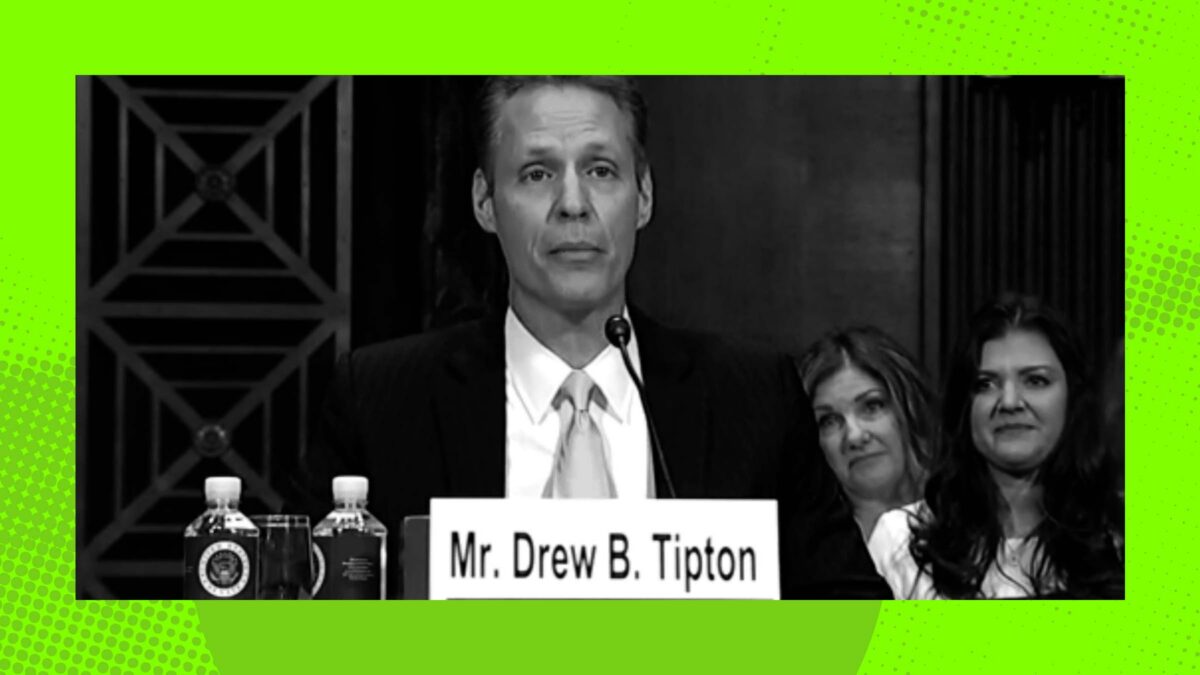
But in early April, Texas federal district court Judge Drew Tipton, a Trump appointee, ruled that the individual officials—two prosecutors and a sheriff—have qualified immunity for their actions and therefore cannot be sued. Tipton said Gonzalez’s case can go forward against Starr County, so although the county may end up having to pay damages, the three individual defendants will escape any meaningful liability for their recklessness. The Texas state bar already fined the DA a measly $1,250 and put his license on probation for a year—effectively a slap on the wrist given the gravity of the error.
Tipton even noted in his ruling that one of the defendants, an assistant district attorney, didn’t dispute that she violated Gonzalez’s constitutional rights, but argued rather that she couldn’t be sued for those violations. That argument prevailed.
Clip via YouTube
Liz Jarit, a senior staff attorney with the ACLU Abortion Criminal Defense Initiative and one of Gonzalez’s lawyers, says that the case epitomizes the problem with precedents that shield public officials who break the law. “When you have basically admitted constitutional violations and unchecked power—flagrant abuse of that power—and a court or a doctrine that shields people from any accountability, that’s a real problem,” she told me. Jarit said discovery will move forward against the county, and that Gonzalez’s legal team is still weighing its options for potential appeals.
Another attorney for Gonzalez, Cecilia Garza, underscored that qualified immunity allows bad actors to get away with things they know are illegal. “What’s hardest for Lizelle is she knows that they did wrong. They know that they did wrong. The judge has indicated in the order that they did wrong,” Garza told a local news outlet. “But they get a pass because of this legal doctrine that, I believe, exists to protect public officials.”
Wrongful abortion arrests seem to happen with increasing frequency these days. Last month, a Georgia district attorney called the malice murder charge of a woman who’d taken abortion pills problematic “on a factual and merit basis” because state legal precedents prohibit such a prosecution. The district attorney said local police didn’t consult with his office before arresting the woman, but he also told a judge that although he wasn’t planning to present the charge to a grand jury, he said he wasn’t prepared to drop it, either. The judge set a symbolic $1 bond due to his own doubts that the state could secure a conviction.
A Kentucky prosecutor admitted in January that her office made a mistake when it charged a woman who used abortion pills with fetal homicide, despite an explicit exemption in the law for pregnant people. The prosecutor even suggested that she might not have read the statute closely enough before presenting the charge to the grand jury. That charge got dropped, but the woman is facing three other charges: concealing a birth, abuse of a corpse, and tampering with physical evidence.
These women, too, had their names and faces plastered online for crimes they didn’t commit. Under a capacious reading of qualified immunity, none of the people responsible could be sued for their actions.
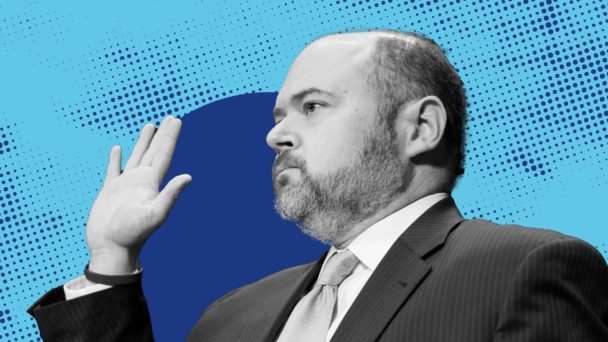
Starr County District Attorney Gocha Ramirez certainly seems to have learned the wrong lesson from this debacle. Ramirez told The Texas Tribune that he felt “tremendously vindicated,” adding, “Whether or not [Gonzalez’s] rights were violated is a legal question and that legal question has been determined by a federal judge.” Again, all the judge said was Ramirez couldn’t personally be sued for violating Gonzalez’s civil rights, not that no violations had occurred.
Ramirez also revealed that he’d tried to make amends to Gonzalez, saying in a glorious use of passive voice, “There was an apology made by me personally to her.” Law enforcement officials do not do things to people—things just happen when they’re involved, like wrongful murder charges.
Jarit said that, amid more arrests for abortions and pregnancy losses, Tipton’s ruling “sends the exact wrong message” to cops. “The application of qualified immunity and absolute immunity in this case do nothing to deter unlawful behavior across the country by prosecutors and law enforcement,” she told me. In her line of work, those are the people breaking the law—not the ones using abortion pills. Jarit said people facing abortion-related investigations can contact the ACLU Abortion Criminal Defense Initiative, If/When/How’s Repro Legal Helpline, or the Abortion Defense Network for legal help.
In the meantime, “A personal apology doesn’t make someone whole after they’ve been wrongfully charged as a murderer and arrested and put in jail,” Jarit said. And thanks to qualified immunity, even more people who have abortions could be investigated for no reason.