Since August of last year, Elon Musk’s artificial intelligence company, xAI, has been building and operating a fleet of gas-fired combustion turbines in Memphis-area Black neighborhoods, in order to power a massive data center called Colossus. Each turbine is the size of a single-family home.
As of five weeks ago, xAI has installed at least 57 of these turbines at the Colossus Gas Plant in Southaven, Mississippi, about 15 minutes south of Memphis. Combined, they have the potential to spew over 5,300 tons of nitrogen oxides and 430 tons of particulate matter into the atmosphere every year, among other hazardous air pollutants.
Even short-term exposure to nitrogen oxides or particulate matter can cause hospitalization and premature death. And some communities are especially vulnerable: Scientific evidence shows that children, older adults, and people of color—especially Black people—face heightened health risks. Nearly 160,000 people live within a six-mile radius of the Colossus Gas Plant. Around 22 percent of them are children or older adults, and 77 percent are people of color. U.S. Census Bureau data further shows that many neighborhoods near the plant have a higher percentage of people of color and children than 95 percent of other census tracts.
In short, xAI is releasing a staggering amount of pollutants into the environment, precisely where it can do the most harm.
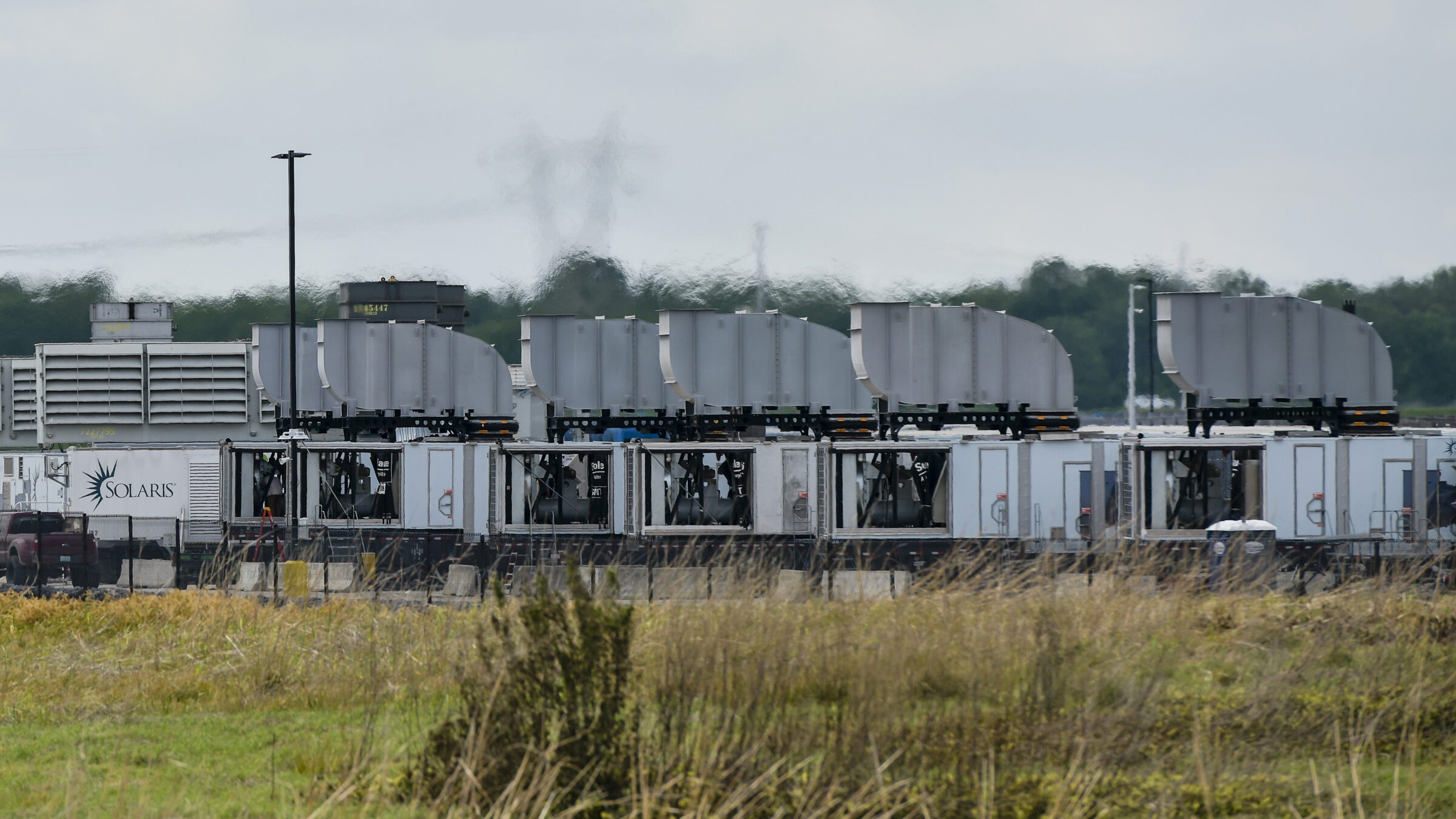
Gas turbines at the xAI data center in Memphis, April 2025. (Photo by Brandon Dill for The Washington Post via Getty Images)
There are (in theory) laws about this sort of thing. Roughly 60 years ago, Congress passed the Clean Air Act in order to “protect and enhance the quality of the Nation’s air resources,” and in doing so, “promote the public health and welfare and productive capacity” of the nation’s population. The Clean Air Act requires the Environmental Protection Agency to regulate emissions of hazardous pollutants and prohibits the construction of facilities that would produce significant pollution, unless polluters get a permit establishing several conditions—like enforceable emission limitations and pollution monitoring—to ensure compliance with the law. xAI did not receive the required permits; they never even applied for one.
As a general rule, the enforcement of federal law is left up to the federal government. But the Clean Air Act authorizes private enforcement, empowering any person to sue someone who violates an emission limitation or constructs a major emitting facility without a permit.
So, two months ago, the NAACP sued xAI and its subsidiaries, aiming to shut down xAI’s Colossus Gas Plant “unless and until they obtain the required permits.” In May, the organization also asked a federal district court for an order prohibiting operation of the plant while the case is pending. The NAACP’s filings highlight that Musk has publicly griped about how environmental regulations require polluters to get “permission in advance” rather than just “paying a penalty” later, and urge the court to stop him from treating Black people like “just one more natural resource the companies can buy and exploit in pursuit of their business goals.”
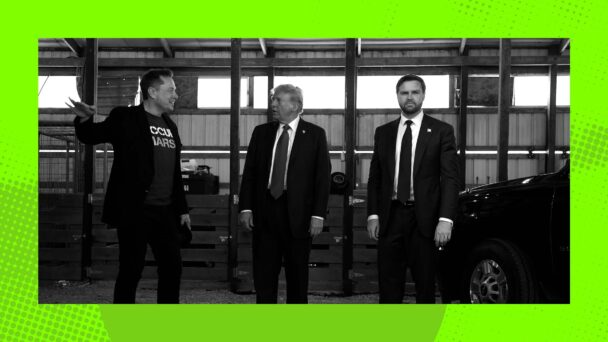
Now, the Trump administration is trying to come to Musk’s aid. The Clean Air Act’s provision allowing citizen enforcement also allows the EPA administrator to “intervene as a matter of right at any time in the proceeding.” And on Monday, Trump’s Department of Justice filed a motion to intervene in the NAACP’s lawsuit as the plaintiff—and to dismiss the NAACP’s suit with prejudice.
In the memo accompanying its motion, the DOJ characterizes the NAACP’s lawsuit as a national security threat—Colossus powers Grok, an AI model that the Department of Defense uses in military operations—and contends that enforcing the Clean Air Act against xAI is not “consistent with federal policy and the public interest.” This ignores the fact that the Clean Air Act is a federal policy, enacted by Congress based on its assessment of the public interest. The DOJ further argues that the NAACP may not enforce the Clean Air Act “over the United States’ objection,” because the government’s “express and unconditional right to intervene” in a citizen suit “necessarily includes the right to unilaterally dismiss the case in its entirety.”
This is not how intervention works. Although people suffering the consequences of corporate lawbreaking have a strong personal incentive to push back in court, they don’t always have the resources necessary to do so effectively. So, even when the federal government is not a party to a lawsuit, Congress sometimes allows it to intervene, and to use the government’s resources to make sure federal law is vigorously enforced. Trump’s DOJ is claiming it has the right to intervene to make sure that federal law is not enforced at all.
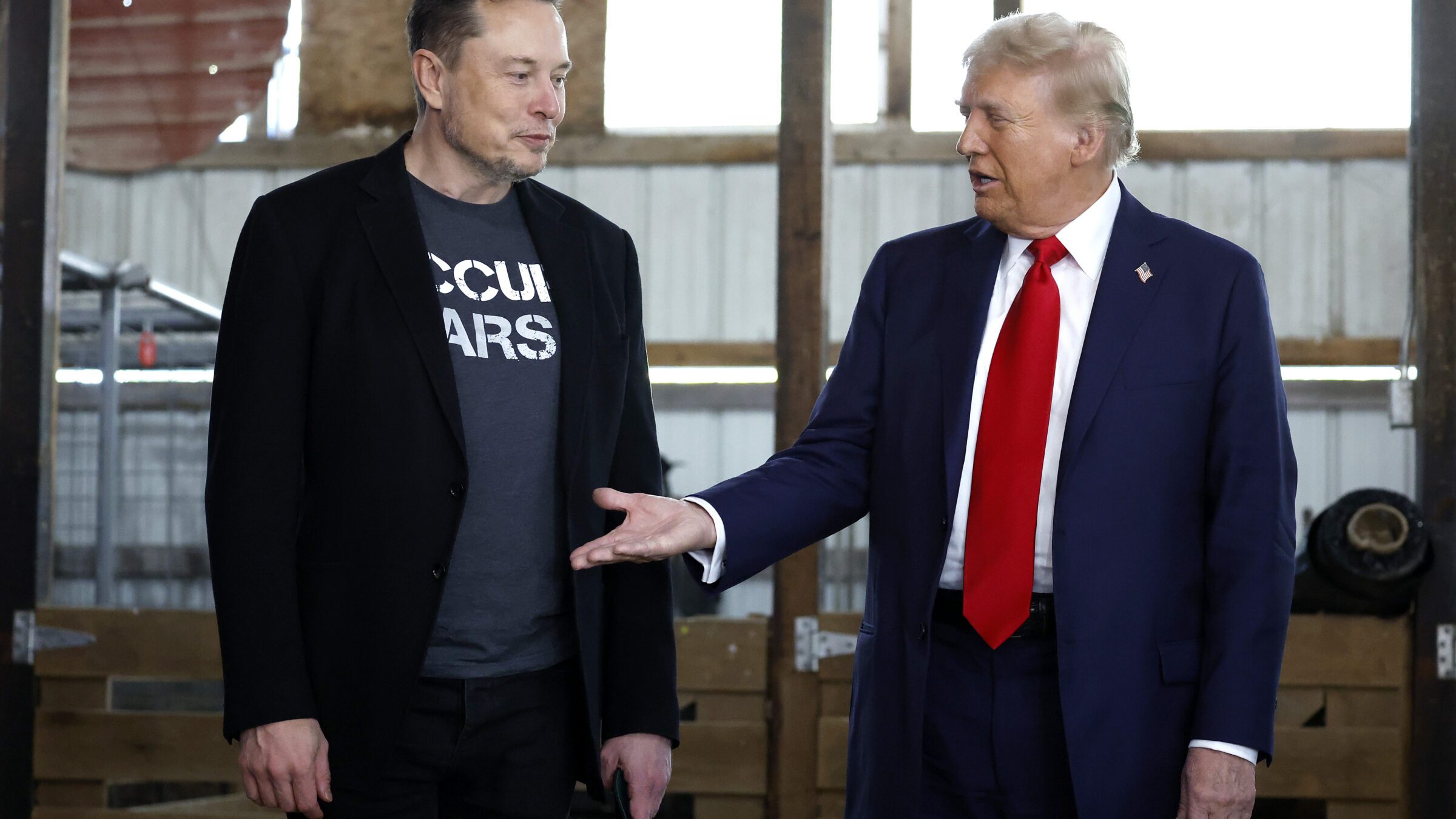
(Photo by Anna Moneymaker/Getty Images)
To support this novel proposition, the DOJ’s memo points to two Supreme Court cases. First, in 2023, the Court held in United States ex rel. Polansky v. Executive Health Resources that the government can intervene in and dismiss someone else’s lawsuit filed under the False Claims Act.
The problem for the government is the False Claims Act is an entirely different law, and includes an explicit provision authorizing the government to dismiss a lawsuit “notwithstanding the objections of the person initiating the action.” The Clean Air Act has no such provision. In fact, the same section of the Clean Air Act authorizing the government to intervene in citizen suits says that “nothing in this section shall restrict” people’s right to enforce the law.
The administration next turns to Gwaltney v. Chesapeake Bay Foundation, a 1987 case which held that the Clean Water Act does not authorize citizen suits based on “wholly past violations” of federal law. To illustrate why this might be improper, the Court presented a hypothetical in which the EPA agreed not to impose a financial penalty on the condition that a violator take some corrective action, and then, years later, a private citizen sued to impose the penalty the EPA chose to forgo.
This case, too, is inapposite. Gwaltney is a case about whether citizens can sue over past violations of the Clean Water Act. The NAACP is suing over a current, ongoing violation of the Clean Air Act. Furthermore, the Trump administration is extrapolating from a 40-year-old hypothetical example—one which expressly contemplates government enforcement, at that—and arguing that it can forgo any penalty to force would-be citizen-enforcers of the Clean Air Act to back off.
Congress created the EPA and the Clean Air Act to protect people from big companies that might steamroll them and destroy the environment. And Congress provided for citizen enforcement so that people could protect themselves. In attempting to dismiss the NAACP’s lawsuit against xAI, the Trump administration is simultaneously retreating from its legal duty to enforce Black people’s right to a livable environment, and declaring that Black people have no rights under the Clean Air Act that xAI is bound to respect.