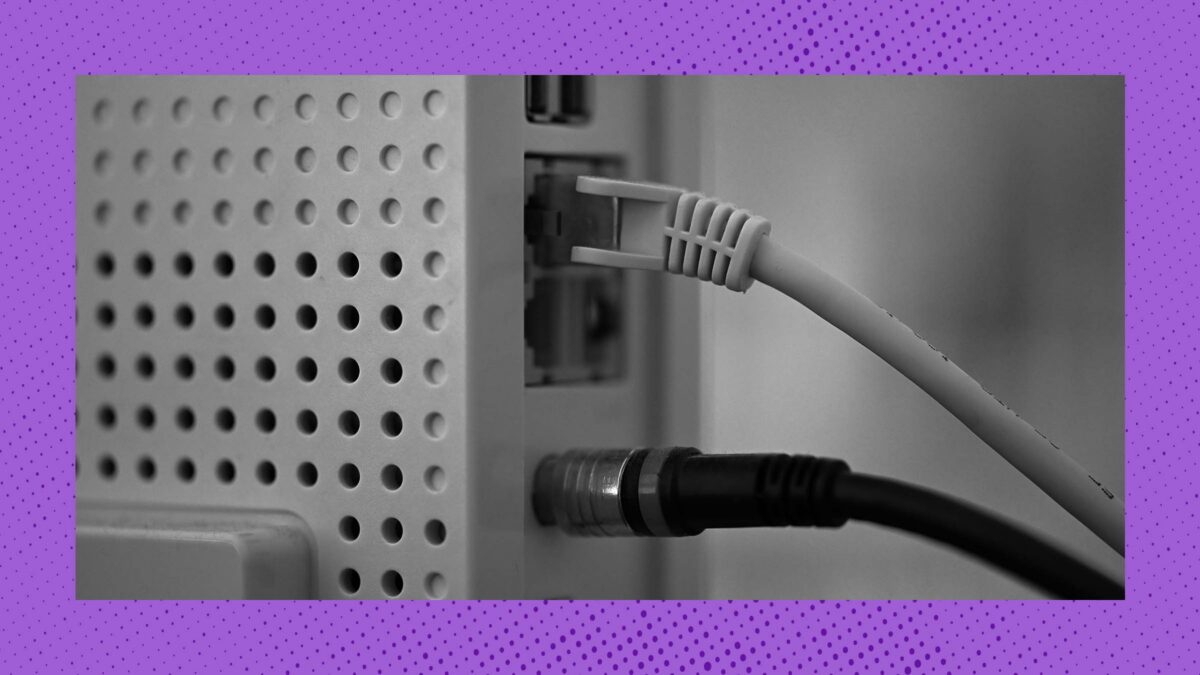
Around 6:30 AM on July 28, roughly 645 weary law school graduates started to arrive at a convention center in Yakima, Washington, where they were scheduled to take the bar exam, the annual humiliation ritual faced by over 65,000 aspiring attorneys each year. As the 8:30 AM start time approached, however, on-site tech support warned exam administrators that testing may not be possible, for the goofiest possible reason: The wireless network did not have the bandwidth to support hundreds of people trying to log on to the Wi-Fi and access the exam platform at once.
So the law grads waited for hours, with growing anxiety and frustration, while proctors and venue staff tried—and failed—to get the internet to work. At around 11:30 AM, proctors announced that they would try starting the test in waves: Examinees who had managed to get online (and stay online) could begin, and the remaining two-thirds of test-takers would try again in 15 minutes. Examinees rejected this idea with booing and protests.
The state bar association’s general counsel then conferred with the National Conference of Bar Examiners, the company that develops the multi-day exam that much of the country requires would-be lawyers to pass. Afterwards, she announced a new plan: All examinees would get lunch, and then begin the test at 12:45 PM.
Lunch did not solve the problem: Most people still couldn’t get online, and even for those who could, the NCBE’s app would fail to load or crash when they attempted to use it. Eventually, the test administrators gave up, dismissed everyone for the day, and told examinees the test would take place on Wednesday and Thursday instead.
Later on Tuesday, the Washington State Bar Association thought better of that plan, too, and canceled the whole exam, citing insufficient confidence that the “technology issue” would be resolved in order to “safely resume” the exam on Wednesday. The state also told test-takers that they had the option to sit for a make-up exam in September in Tacoma, Washington; transfer to a February 2027 exam; or receive a refund of their state bar application and exam fee. Examinees would need to contact the NCBE, though, regarding the “technology fee” they paid, for technology that they could not use.
The NCBE put out a statement on Wednesday indicating that its new testing platform, which launched in Washington and nine other states on Tuesday, “performed as designed” but for a few “site-specific technology issues” in three jurisdictions. According to the NCBE, “the inaugural administration” of its new exam marked a “historic milestone in legal licensure.” This makes sense insofar as the maiden voyage of the Titanic was also a historic milestone in maritime transportation.
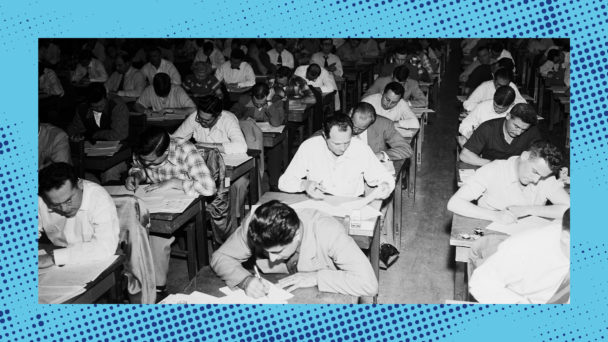
Recent law school graduates spend months studying for the bar exam. They often spend thousands of dollars, too, paying for test prep materials, travel, lodging, childcare, and other costs in order to sit for the multiday ordeal that their job prospects depend on. They forgo personal obligations and rearrange their lives because their livelihoods are at stake.
They should not have to live like this. And Washington has recognized for years that it doesn’t need to make them do so. In July 2020, for instance, when the COVID-19 pandemic made it too dangerous to administer the bar exam, the state supreme court issued a one-time grant of “diploma privilege.” This allowed graduates of accredited law schools who were applying for bar admission at that time to become licensed attorneys without taking the exam.
By Wednesday afternoon, the deans of all three law schools in Washington sent letters to the state supreme court urging it to grant diploma privilege to those affected by Tuesday’s fiasco. “Diploma privilege presents—by far—the most equitable remedy,” said Anthony Varona, dean of Seattle University School of Law. Tamara Lawson, dean of University of Washington Law School, similarly identified diploma privilege as “the only equitable remedy” that would make sure “the financial, professional, and emotional burdens of this catastrophic failure are not shifted to the test takers.”
The bar exam purportedly exists to establish and maintain a baseline level of readiness to practice law. But the test is far less necessary to accomplish that goal than the National Conference of Bar Examiners would have you believe. In November 2020, after discovering that ditching the bar exam that year did not cause the world to end, the Washington Supreme Court created a task force to evaluate the effectiveness of the state’s legal licensing requirements, and to analyze potential alternatives.
In February 2024, the task force concluded that the bar exam is “at best minimally effective” for ensuring lawyer competency, but very effective for “disproportionately and unnecessarily” blocking historically marginalized groups from practicing law. The report also noted that this is by design: In the early 20th century, states started to “rethink diploma privilege” and require bar passage instead in direct response to growing numbers of Black law graduates. In South Carolina, for example, when the state legislature introduced the bar exam, the Speaker of the General Assembly literally stated that its goal was to “bar Negroes and some undesirable whites.” There is still a persistent racial disparity in bar passage rates nationwide.
The Washington task force published several ideas for reforming this unnecessary and discriminatory system, including “experiential pathways” to attorney licensure. If law students successfully complete 500 hours of supervised legal work, for instance, they could be eligible to waive the bar exam. The state supreme court approved most of the recommendations back in March 2024, and ordered the state bar association to begin taking steps to implement them. But none of them are in effect as of yet, so they don’t offer any help to this year’s graduates.
Ironically, only one of the task force’s recommendations failed to get the court’s endorsement: The task force suggested waiting until 2027 to adopt the NCBE’s new exam so that there would be time to “work out any issues with its administration.” It was that very exam that debuted catastrophically on Tuesday.
As a result, Washington bar examinees are in a nightmare scenario. The Washington bar should wake up, grant diploma privilege, and end the bar exam’s pointless monopoly over who gets to be a lawyer in the state.