Last week, President Donald Trump’s Office of Personnel Management published a draft of a sweeping nondisclosure agreement that the administration hopes to impose on millions of federal workers. The proposed NDA would bar employees at federal agencies from revealing any “sensitive” information that is “not currently publicly available” and “should not be disclosed” under any applicable law or “government-wide policy.” Employees would remain obligated to keep quiet for five years after they leave federal service, unless they get “written permission” to do otherwise from an authorized agency official.
The proposal’s demand for secrecy is inherently in tension with democracy’s demand for transparency. And Congress has already passed several laws that aim to strike the right balance between the government’s responsibility to safeguard some private information, and federal employees’ First Amendment right to speak out about matters of public concern. As a result, confidentiality agreements have historically played a limited role in government, primarily impacting people with access to classified national security information.
In short, the Trump administration’s proposed government-wide blanket ban on speech is a dramatic departure from democratic norms—the latest in a series of many. In OPM’s draft notice, however, the administration contends that its gag rule does have precedent: The Supreme Court has a gag rule, too.
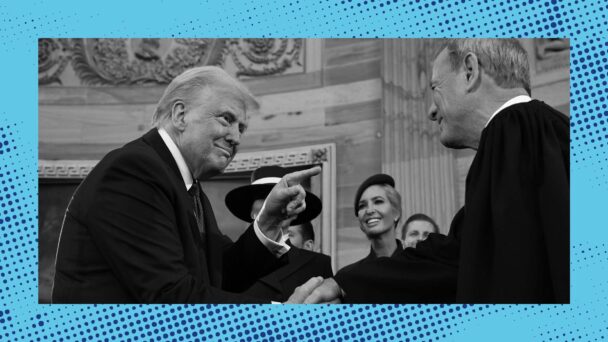
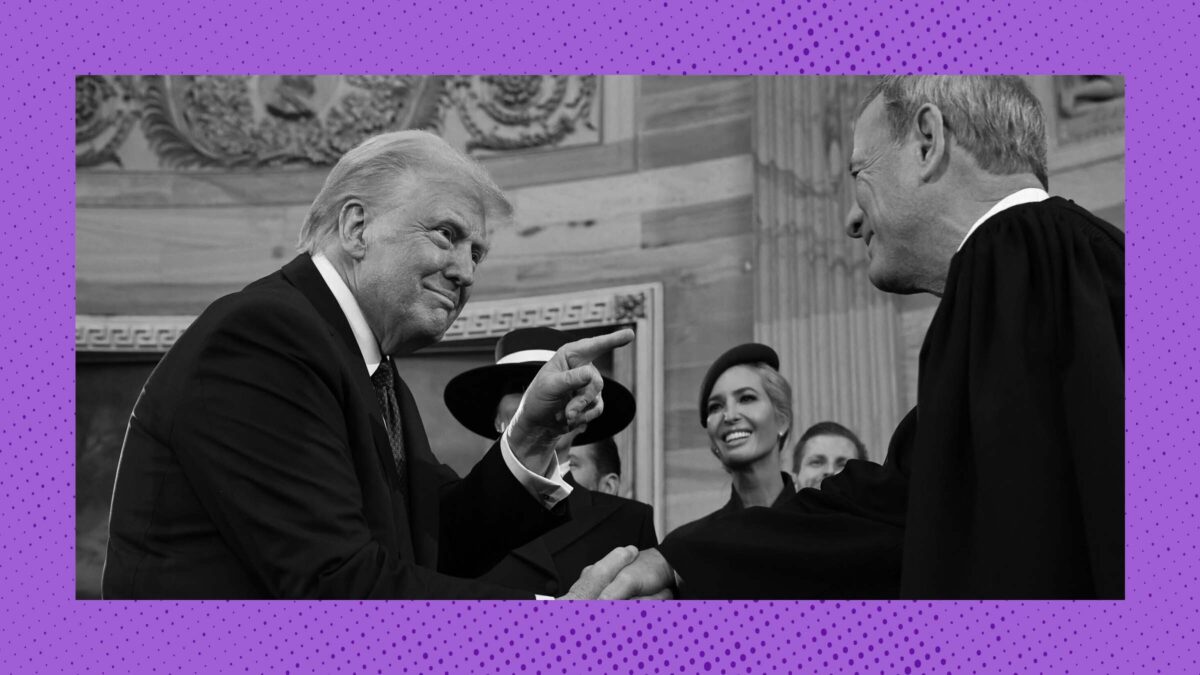
Back in February, The New York Times reported that Chief Justice John Roberts asked Supreme Court employees to sign an NDA shortly after Trump’s reelection. The OPM’s draft notice claims that Roberts did so in response to the same problem plaguing the Trump administration now: “unauthorized disclosures” to the press. OPM specifically highlights the May 2022 leak of the Court’s draft opinion rescinding the constitutional right to abortion, and stresses that leaks are “so widespread that the Supreme Court itself has instituted the use of nondisclosure agreements,” in order to discourage the “harmful practice” and “hold individuals accountable.”
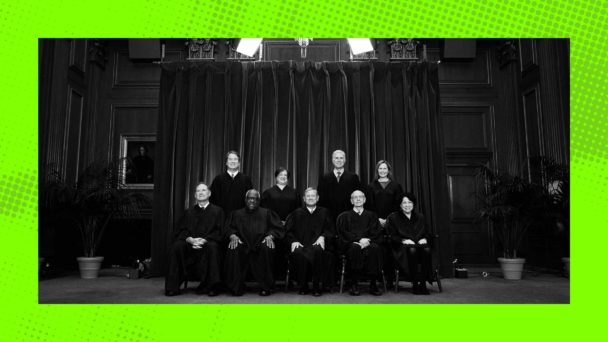
To be clear, the harmful practice to which the Trump administration referred was not the Court’s decision to strip half the population of basic bodily autonomy, but someone’s decision to tell people about it. The individuals the administration suggests should be held accountable are not the justices or executive branch employees trampling over constitutional rights, but the people providing a modicum of insight into the trampling.
Like the Trump administration, the Supreme Court already had plenty of mechanisms at its disposal to limit the flow of information to the public, well before introducing an NDA. The justices’ deliberations are private, and their aggressive use of the shadow docket enables them to regularly upend people’s lives without bothering to explain themselves. They are not subject to an enforceable ethics code, so they flout regulations governing public disclosures about conflicts of interest. And they warn law clerks that there will be professional hell to pay if clerks reveal the Court’s inner workings.
Also like the Trump administration, the Supreme Court’s public approval ratings are at historic lows. The more people learn about their conduct, the more people disapprove of the institution. Rather than modify their conduct, the Trump administration and the Supreme Court are both threatening employees with legal action.
One major distinction between the gag rule the Trump administration is proposing and the gag rule the Supreme Court already has is that the Trump administration’s NDA is not yet in effect. The administration is soliciting public comment until Friday, June 26, and it is possible the NDA will never be finalized. But the proposal alone may be sufficient to have the desired effect: scaring some people into silence.