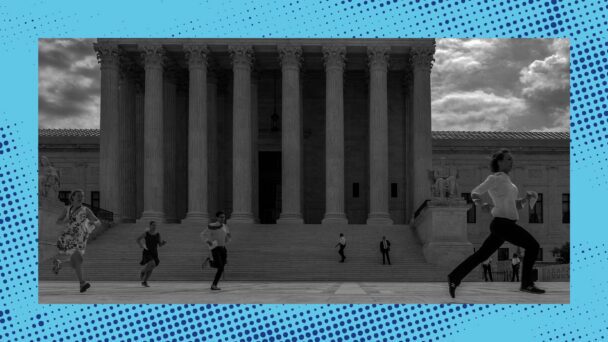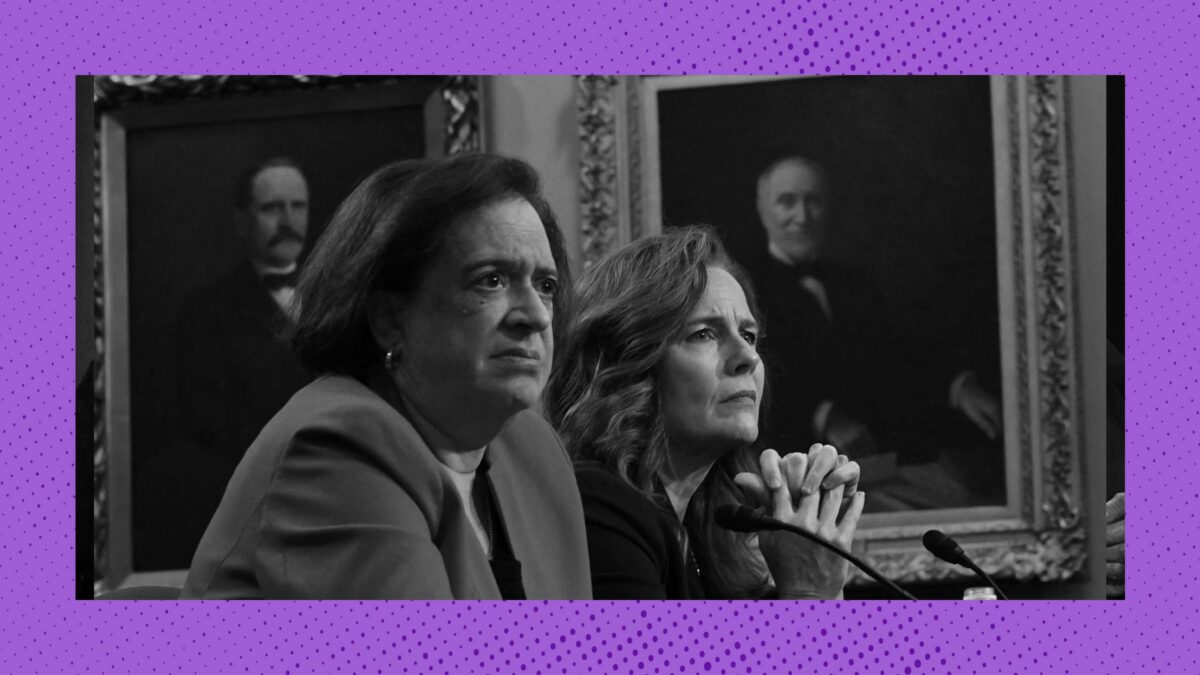
Justices Elena Kagan and Amy Coney Barrett made a rare joint appearance at Capitol Hill on Tuesday, testifying before Congress at back-to-back hearings of the House and Senate Committees on Appropriations. The Supreme Court is requesting a total of $228.4 million in congressional funding for the upcoming fiscal year—an increase of $20.5 million over its current budget.
Kagan explained that the growth of the budget is driven “almost entirely” by “security expenses.” The Court asked Congress for an increase of $14.6 million, for example, in order to expand the justices’ personal protective details, fund an additional 25 police officers positions at the Supreme Court building, and hire more administrative workers to support all the new security personnel. The Court also requested an increase of $6.5 million in order to design a new visitor screening facility separate from the main building.
The Court started making small expansions to its security program about a decade ago, after the agency responsible for judicial security went hours without knowing that Justice Antonin Scalia was dead. In the years since, however, an explosion of threats to judges’ lives pushed the Court to take security more seriously: In his December 2024 report on the federal judiciary, Chief Justice John Roberts wrote that threats against judges have “more than tripled over the past decade.” At Tuesday’s hearings, Barrett described the personal toll that threats have taken on her and her family, such as having to explain what a bulletproof vest was to one of her young children, and having police officers sent to her home over a false report.
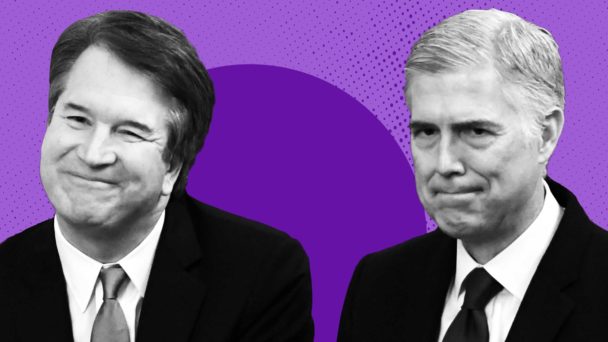
Oklahoma Republican Representative Tom Cole, who chairs the House Appropriations Committee, was sure to remind his colleagues that the purpose of the hearing was evaluating budgetary needs, not relitigating the Court’s opinions. But the Court’s request for congressional funding cannot be wholly separated from the need for congressional oversight of its work. At a minimum, if the Court is asking for more of the public’s money, the Court should show some understanding of what it owes the public in return. Throughout the hearings, however, the justices did not seem to appreciate their responsibility to the public, or their role as a co-equal—and not superior—branch of government.
First, both Kagan and Barrett were defensive of the shadow docket, although to varying degrees. Kagan acknowledged, for example, that there are “definitely issues” regarding when and how the shadow docket should be used. But she also said that the term is “not appropriate” at this time because the justices are doing a better job of “explaining ourselves to a moderate degree.” Later in the hearing, Barrett contended that the Court could not explain its “unreasoned orders” because doing so would disclose details about “internal negotiations.”
Second, lawmakers like Connecticut Democratic Representative Rosa DeLauro asked Kagan and Barrett several questions about the Court’s failure to adopt an enforceable ethics code. If people can’t be confident that the Court’s decisions are the result of “rigorous constitutional analysis” rather than money changing hands, DeLauro said, “democracy cannot sustain itself.”
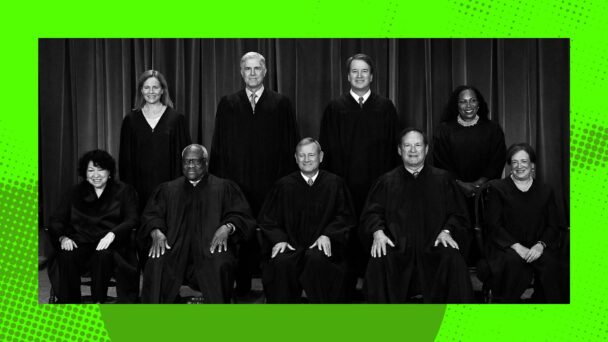
Kagan expressed cautious support for an enforcement mechanism, but contended that this posed “extremely difficult” questions because such a mechanism should not be under the control of the executive or the legislature. Kagan suggested that this tension might be resolved by retaining the services of retired federal judges. Barrett said she was “less certain,” but that she considers current ethics rules binding on her, and that all of the justices are “fully committed” to following them.
Perhaps the simplest example of the Court’s resistance to accountability is the infrequency with which justices testify before Congress. As Maryland Democratic Representative Steny Hoyer noted, hearings like today’s “used to be the norm”: At least one sitting justice appeared before Congress every year from 1960 through 2011. But today’s hearings were the first time a justice has testified before Congress since 2019. In 2023, Senate Judiciary Chairman Dick Durbin asked Chief Justice Roberts to testify at a hearing about judicial ethics. Roberts declined.
Kagan and Barrett directly asked Congress for tens of millions more dollars than last year to fund increasing security needs. But, as in their “unreasoned orders,” the justices did not want to talk about what it is that the Court actually does and why. The justices are running roughshod over the rights and liberties of ordinary Americans while indulging the dangerous whims of President Donald Trump. They’re robbing Americans of democracy, and now they want Americans to pay for it.