The Supreme Court struck down (another) longstanding federal campaign finance law on Tuesday, in a decision that (again) shrinks the ability of Congress to guard against corruption in the political system, and (again) expands the ability of the ultra-wealthy to exert outsized influence over elections and elected officials.
The issue in National Republican Senatorial Committee v. Federal Election Commission centers on political party committees—organizations affiliated with political parties that register with the Federal Election Commission to raise and spend campaign funds. In the early 1970s, a dairy conglomerate used party committees as middlemen to funnel millions of dollars to President Richard Nixon’s reelection campaign in exchange for massive federal milk subsidies. Congress passed legislation in response to this scandal, setting limits on how much money party committees can spend “in coordination” with candidates on federal elections.
These “coordination caps” matter because under federal law, wealthy donors can legally contribute vastly more funds to party committees than individual candidates. And if there were no limits on coordinated expenditures, individual contribution limits would be basically meaningless. Preventing deep-pocketed donors from simply sidestepping contribution limits was a key part of the Supreme Court’s rationale for upholding the legality of coordination caps in Federal Election Commission v. Colorado Republican Federal Campaign Commission, which the Court decided in 2001.
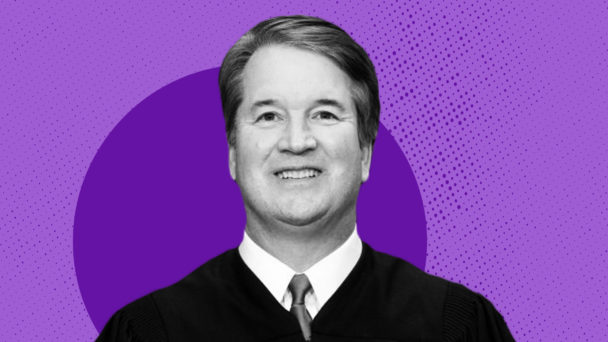
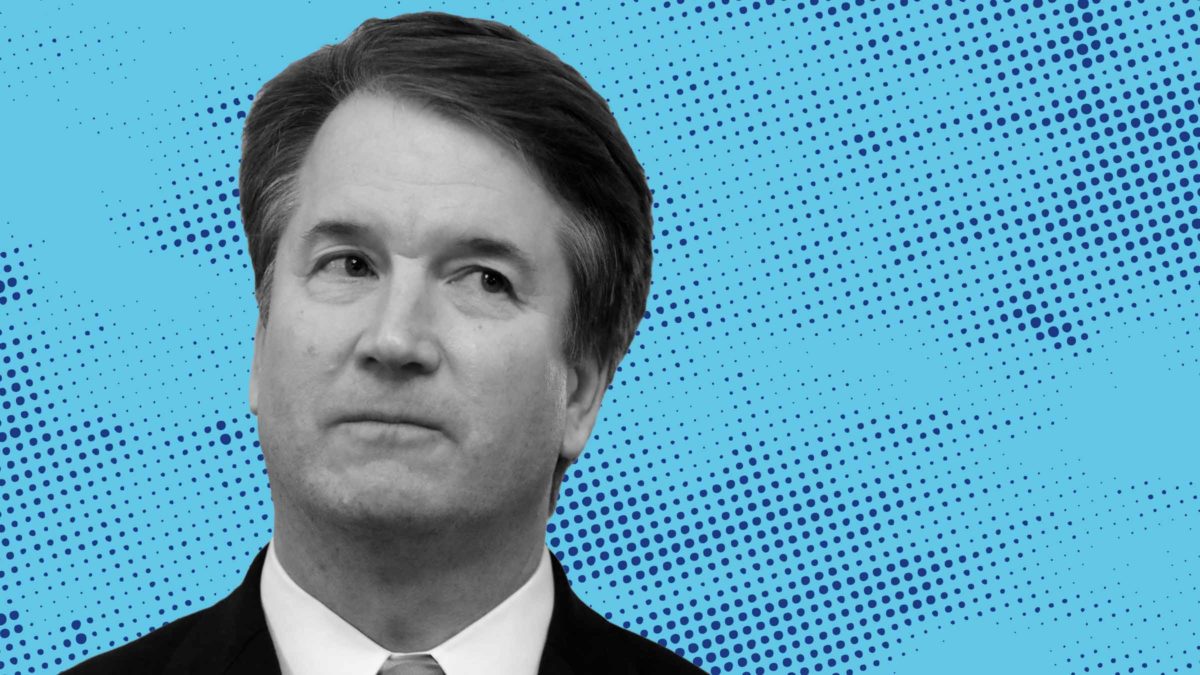
But the Court has changed dramatically in the past 25 years. And “in light of the doctrinal and factual changes since 2001,” Justice Brett Kavanaugh wrote for the Republican majority, statutory limits on coordinated expenditures now violate the First Amendment. NRSC v. FEC is the latest installment in a long series of Supreme Court decisions conflating money and speech, and creating the conditions in which a pay-to-play political system can flourish.
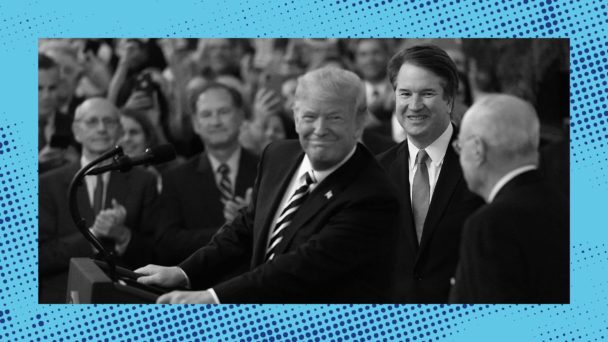
Kavanaugh’s opinion first explains that the coordination limits appear to violate the First Amendment “as a matter of text and history” because they “necessarily abridge” political parties’ freedom of speech, but says the Court’s precedents “cloud the issue.” Then, however, he runs through all the ways in which the Court has chipped away at those precedents: For example, the justices have held Congress can’t limit spending to “curb a donor’s undue influence.” Nor can Congress limit spending to “limit the appearance of mere influence or access.” Nor can Congress target financial expressions of donors’ “general gratitude.”
The sole “legitimate” reason for Congress to restrict campaign finance, said Kavanaugh, is to target quid pro quo corruption—not all corruption, mind you, but only “a specific type.” Kavanaugh defines quid pro quo corruption as when someone “donates to a candidate in exchange for official action by that candidate when in office.” For today’s Republican majority, the circumvention rationale on which the Court relied 25 years ago is a “significant step removed” from “actual” corruption, and thus cannot save the coordination caps (in their current form, at least) from the First Amendment problem.
For people who are understandably concerned about the Court’s steady erosion of legislative attempts to prevent billionaires from hijacking democracy, Kavanaugh was prepared with an answer: The government has “other meaningful prophylactic measures” at its disposal, like disclosure requirements, that already do a sufficient job of preventing circumvention of contribution limits. But, he said, coordination caps are “disproportionate” and “not necessary” given the “severe” burdens on parties’ First Amendment rights. Kavanaugh warns that upholding the constitutionality of coordinated expenditure limits could “help consign political parties to continued second-tier status as compared to outside groups.” (The horror!)
Kavanaugh and his colleagues showed no hint of this purported concern about creating tiers of citizenship when they allowed the Republican Party to gerrymander people of color out of political existence. And they aren’t really concerned about fairness today, either, as this decision hands yet another structural advantage to Republicans, who tend to have a better relationship than Democrats with the kind of people who feel oppressed by campaign contribution limits. The real concern of NRSC v. FEC is, in fact, the same thing the Court has been concerned about for decades: maximizing the influence and power of the wealthy and white, and minimizing the influence and power of everyone else.